
Pressure Washing in Port Macquarie
Request A Call Back in Port Macquarie
Thank you for contacting Hastings Services.
We will get back to you as soon as possible.
Oops, there was an error sending your message.
Please try again later.
Servicing Post Codes
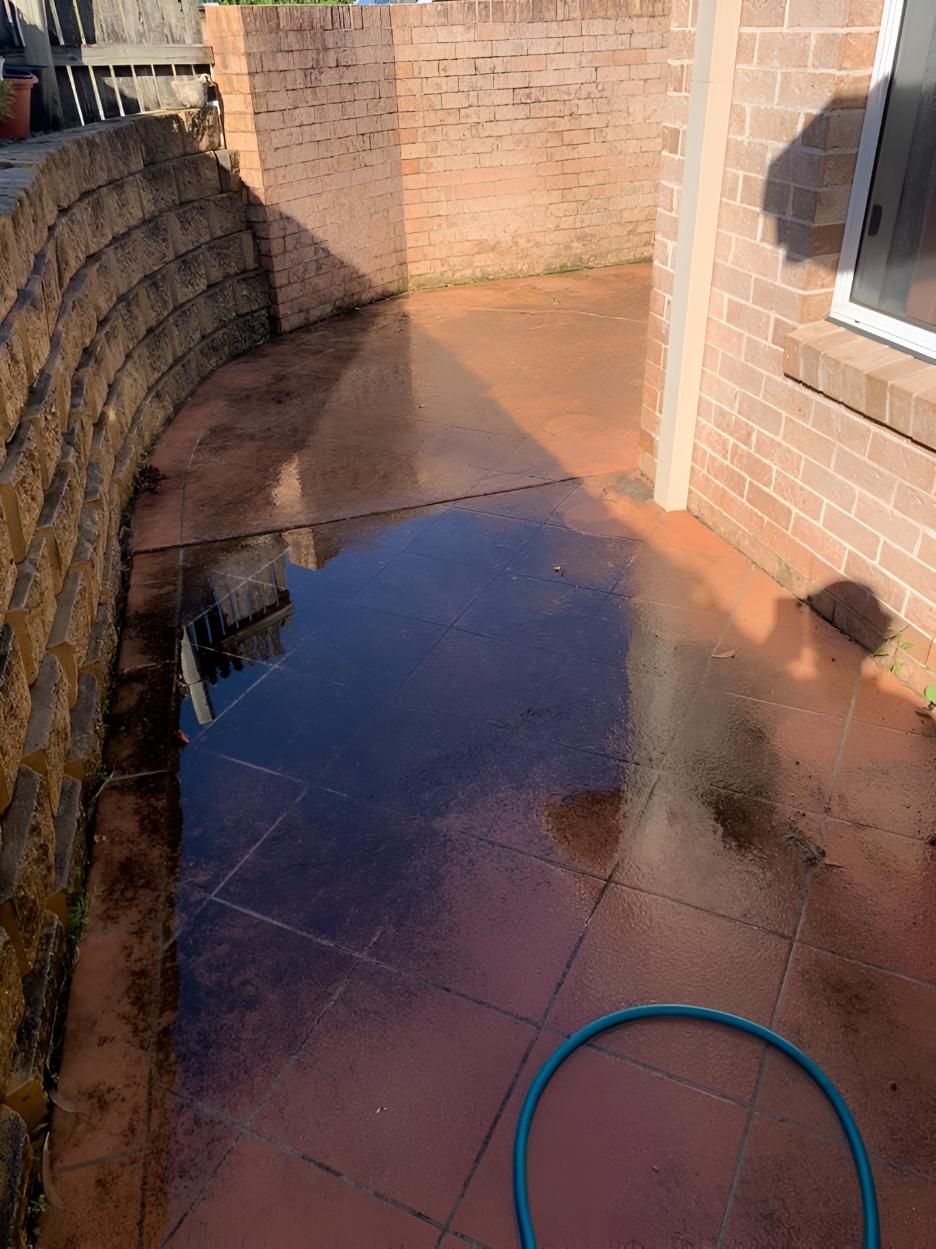
Port Macquarie Pressure Washing
Hastings Services offers trusted pressure washing in Port Macquarie, helping local homes and businesses keep their properties clean, safe and looking sharp. With over 20 years of industry experience, our team delivers powerful cleaning solutions for roofs, walls, windows, paths and more, all without causing damage or using harsh chemicals.
We take the time to assess your surfaces, choose the right cleaning method and leave everything better than we found it. Whether it’s one area or a full exterior clean, we bring the gear, the care and the knowhow to handle it properly.
To book expert pressure washing in Port Macquarie, call Hastings Services on 0402 824 855 and let’s get started.
Services We Offer in Port Macquarie
- Roof & Gutter Debris Cleaning
- Driveway Restoration
- Pressure Cleaning
- Brick Cleaning
- Solar Cleaning
- Window Cleaning
- External House Cleaning
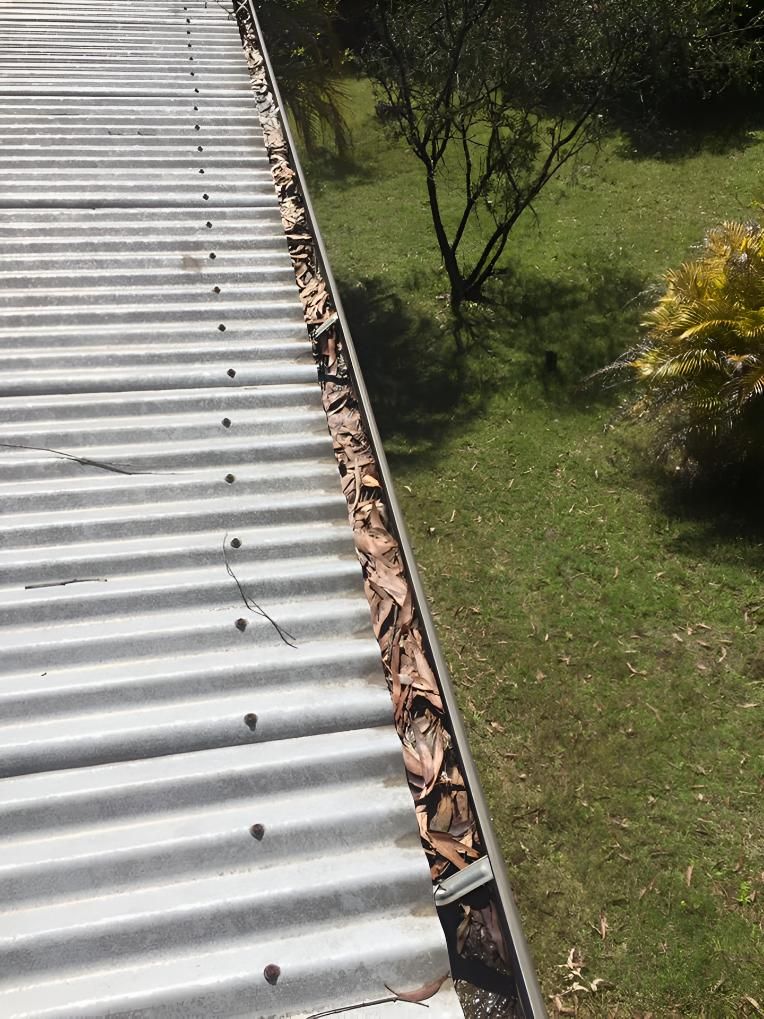
Roof & Gutter Debris Cleaning in Port Macquarie
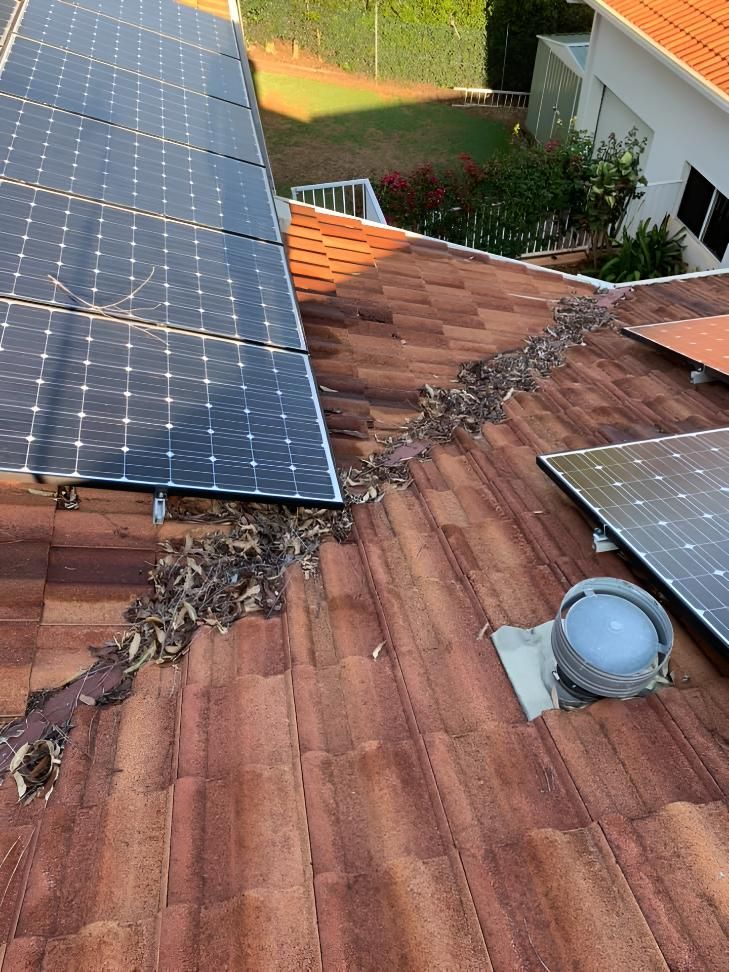
In Port Macquarie, roof and gutter cleaning is essential to keep your home protected from water damage and blocked drainage. We remove leaf litter, sediment and build up that can lead to costly roof problems. It's a preventative job that makes a big difference during heavy rain and storm season.
Driveway Restoration in Port Macquarie
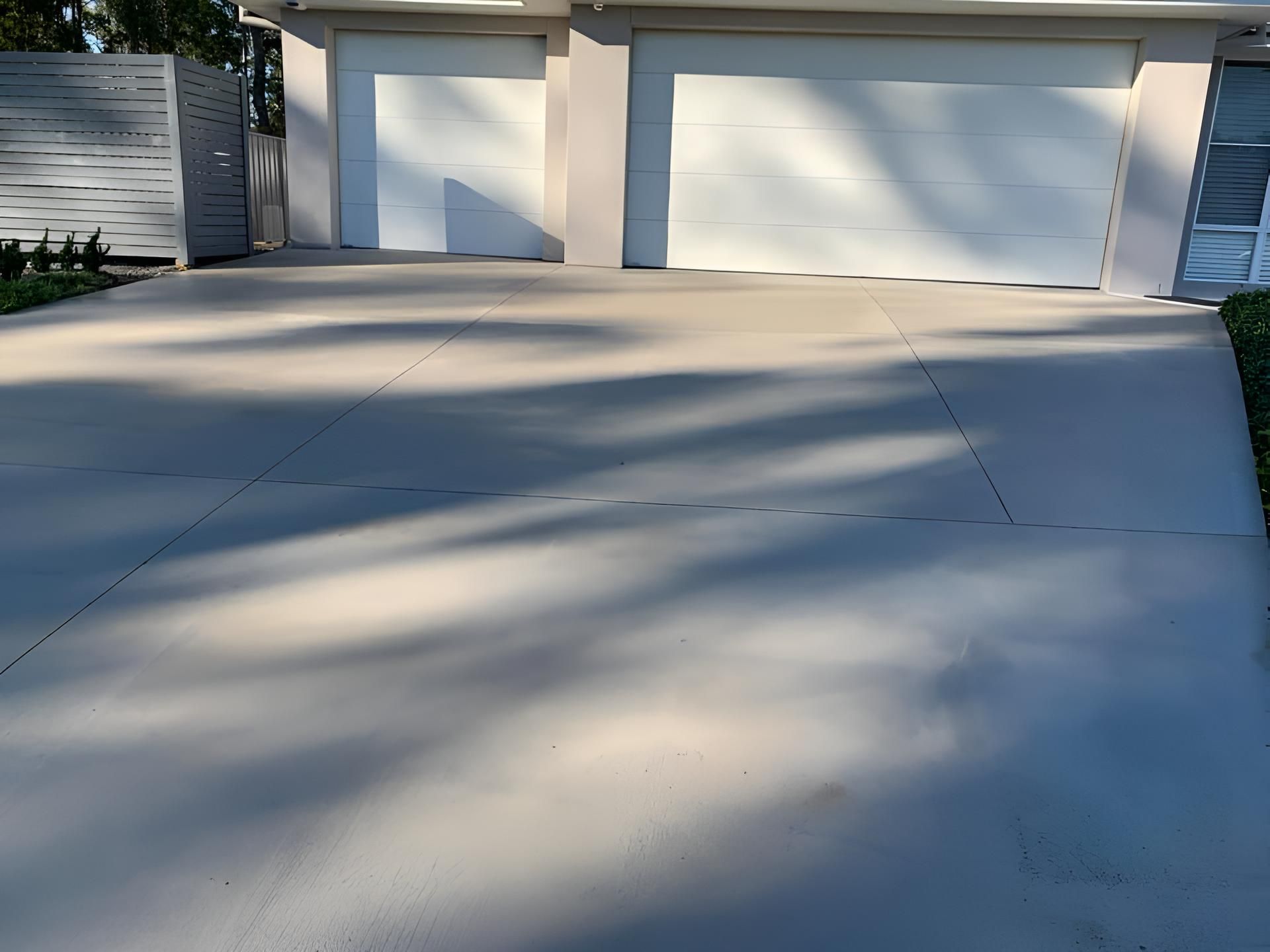
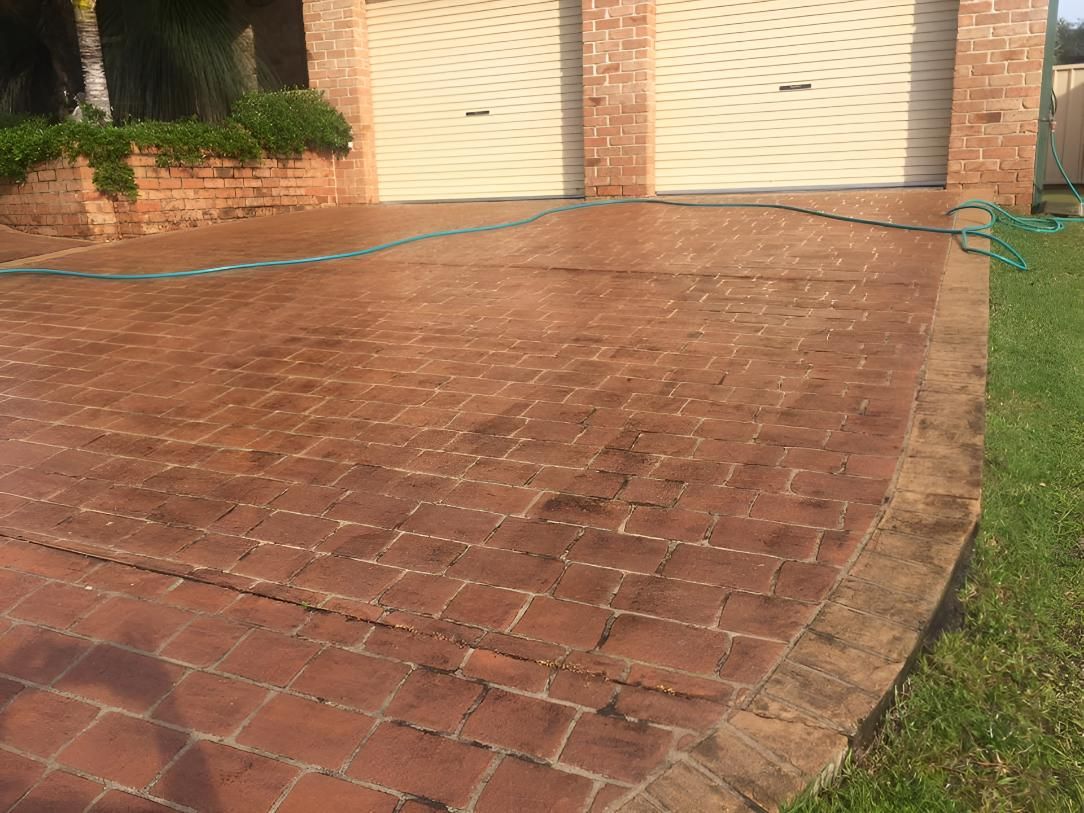
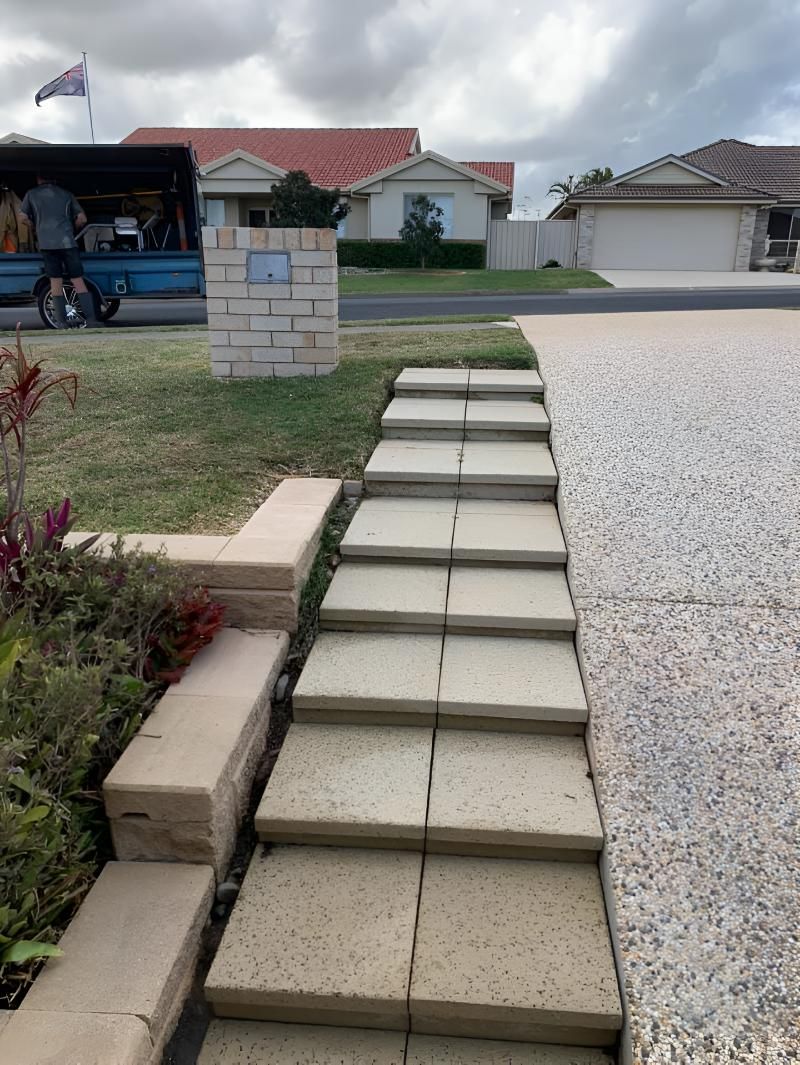
Driveways in Port Macquarie can quickly lose their finish thanks to high foot traffic and damp coastal air. Our restoration process removes grime, moss and oil to restore colour and grip. It’s a fast way to refresh your entryway and reduce slipping hazards too.
Pressure Cleaning in Port Macquarie
We offer high-quality pressure cleaning in Port Macquarie to revive everything from paved areas to building exteriors. Our team uses tailored pressure levels to remove years of built up grime. It’s ideal for businesses preparing for foot traffic or homeowners refreshing outdoor spaces.
Brick Cleaning in Port Macquarie
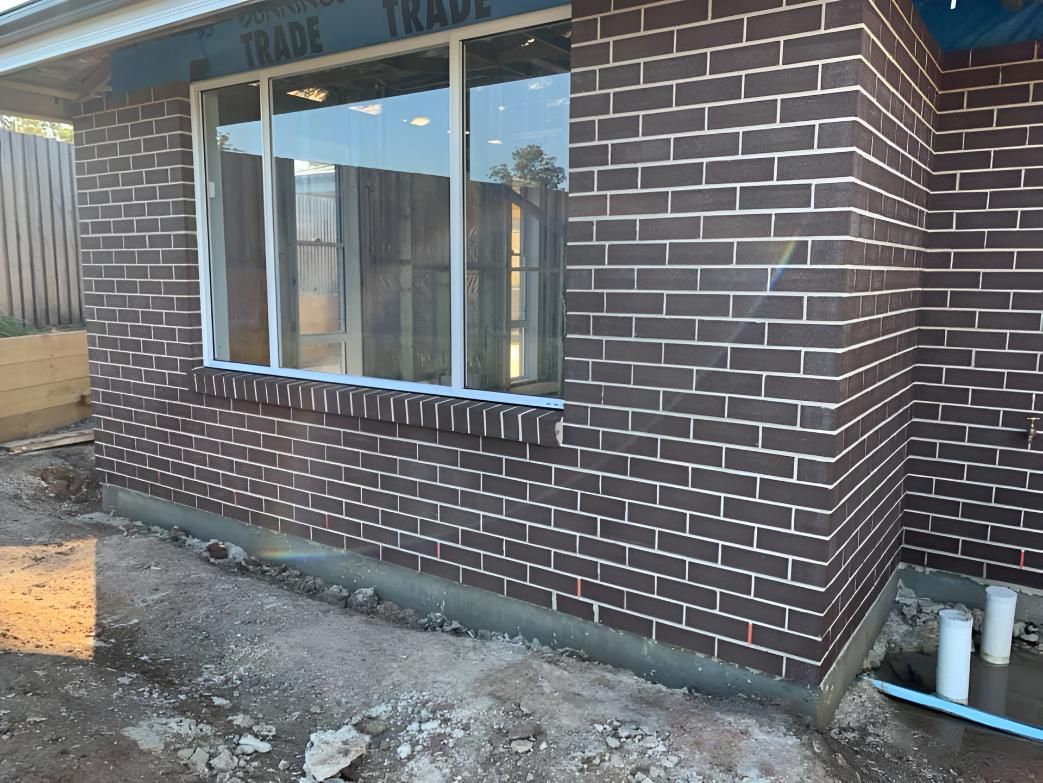
We clean bricks on homes and commercial sites throughout Port Macquarie, removing stains, salt deposits and general grime. Every clean is done with care to protect the mortar and surface texture. Whether it’s post build or general maintenance, we’ve got it sorted.
Solar Cleaning in Port Macquarie
Our solar panel cleaning service in Port Macquarie helps systems stay productive all year round. We clean without chemicals or harsh tools to protect your investment. Clean panels mean better energy output and longer system lifespan, especially near the coast.
Window Cleaning in Port Macquarie
In Port Macquarie, salty air and dust can leave windows looking cloudy in no time. We clean inside and out for a clear, polished finish. Frames, flyscreens and glass are left looking spotless and streak-free, no matter the height.
External House Cleaning in Port Macquarie
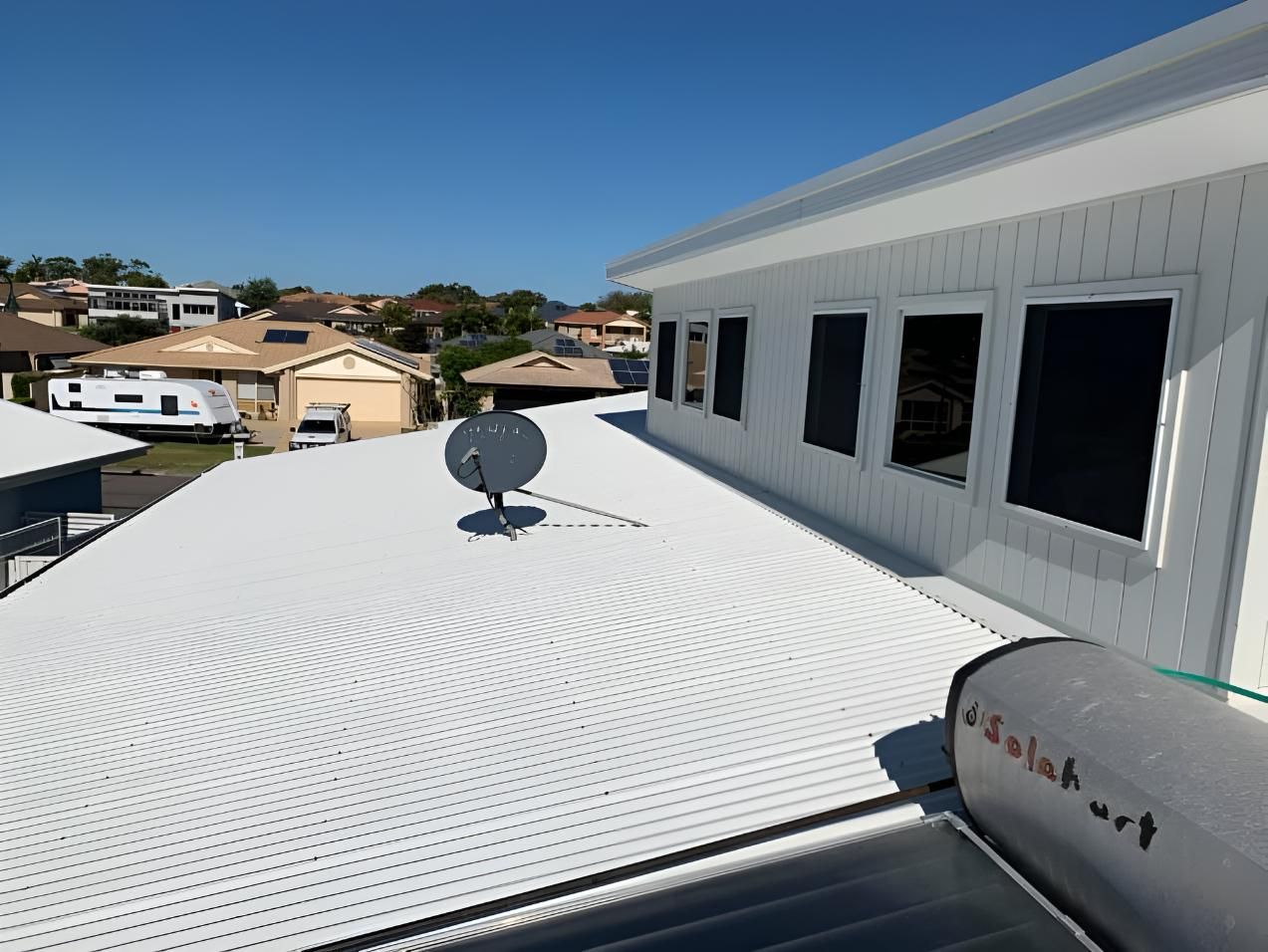
We offer full external house washing in Port Macquarie for homes of all styles. Our approach is gentle but effective, perfect for render, weatherboard or cladding. It’s one of the easiest ways to lift your home’s presentation with minimal fuss.
What happens if gutters are left uncleared for too long?
When gutters are left uncleared for extended periods, the consequences can extend well beyond overflowing water. Blockages create pooling that can seep under roof tiles and into roof cavities, leading to rot, mould and structural deterioration. The added weight of wet debris can also cause gutters to sag or pull away from the fascia. In drier conditions, accumulated organic matter becomes a fire hazard. Pests including mosquitoes, rats and birds are also attracted to clogged gutters. Regular clearing prevents all of these issues and extends the life of the roof and drainage system considerably.
What is efflorescence and how is it removed from bricks?
Efflorescence is the white, chalky residue that appears on brick surfaces when water moves through the masonry and carries soluble salts to the surface. As the water evaporates, those salts are left behind as a powdery deposit. While it doesn't structurally damage the bricks, it is unsightly and can worsen if the underlying moisture issue isn't addressed. Mild efflorescence can be brushed away, but heavier deposits typically require specialist cleaning solutions and controlled water application. Simply using high pressure without the right products often spreads the problem rather than resolving it, so it's important to treat it correctly from the outset.
What types of dirt most commonly affect solar panel output?
The most common contaminants affecting solar panel performance include dust, pollen, bird droppings, leaf debris and airborne pollutants. In coastal areas, salt residue is also a significant factor. These materials accumulate gradually on the glass surface and block incoming sunlight from reaching the photovoltaic cells beneath. Even a thin, seemingly invisible film of dust can reduce output noticeably. Bird droppings are particularly problematic because they sit in concentrated spots that can create what's known as hot spots, where one section of the panel works harder than others. Regular cleaning removes all of these contaminants and allows panels to operate at their intended capacity.


